Introduction
Homophobia is defined as the exuding of feelings which include fear, hatred, discomfort with, or mistrust of people who are and identify as gay, lesbian, bisexual, queer, etc. The term homophobia was coined in the early 1970s. Psychologist, George Weinberg, wrote for the NY newspaper, GAY, with wide public attention on his 1972 publication of Society and the Healthy Homosexual. Weinberg labels antihomosexual attitudes and views these feelings toward the LGBTQIA+ community a phobia which served the purpose of reversing the diagnostic terms prevalent within American culture and society. Terms include biphobia and transphobia which involve similar feelings of fear, hatred, discomfort, or mistrust any individual who identifies as bisexual, transgender, genderqueer, or does not follow the “traditional gender norms”. These terms do not EXCLUDE individuals within the community itself. People who are straight and people who are a part of the LGBTQIA+ community have the ability to be homophobic, transphobic, biphobic, etc.
Importance
With this in mind, individuals who do not experience the barriers of marginalized groups must acknowledge their privilege and work to learn how to fight against such bias. Acknowledging your privileges does not mean that you are unaware or immune to life’s hardships but means you have an unearned benefit or advantage received in society by the nature of your identity (i.e., White privilege, Policing Disparities, Straight Privilege).
Misconceptions and Conclusion
There has been an expansion on the definition of homophobia which goes beyond its roots in the notion of dread and irrational fear to “encompass belief systems”. This rooted dread and irrational fear cannot be excused to adhere to the belief systems of others. Offering another perspective, author Colleen Logan wrote an article explaining how homophobia is not a true “phobia” and “no longer can the prejudiced individual excuse anti-homosexual responses either verbal or physical, by claiming an uncontrollable response which is under the purview of a clinical condition such as phobia”. The lack of support and empathy from heterosexual individuals evidently shows that there is a failure to understand “straight privilege”.
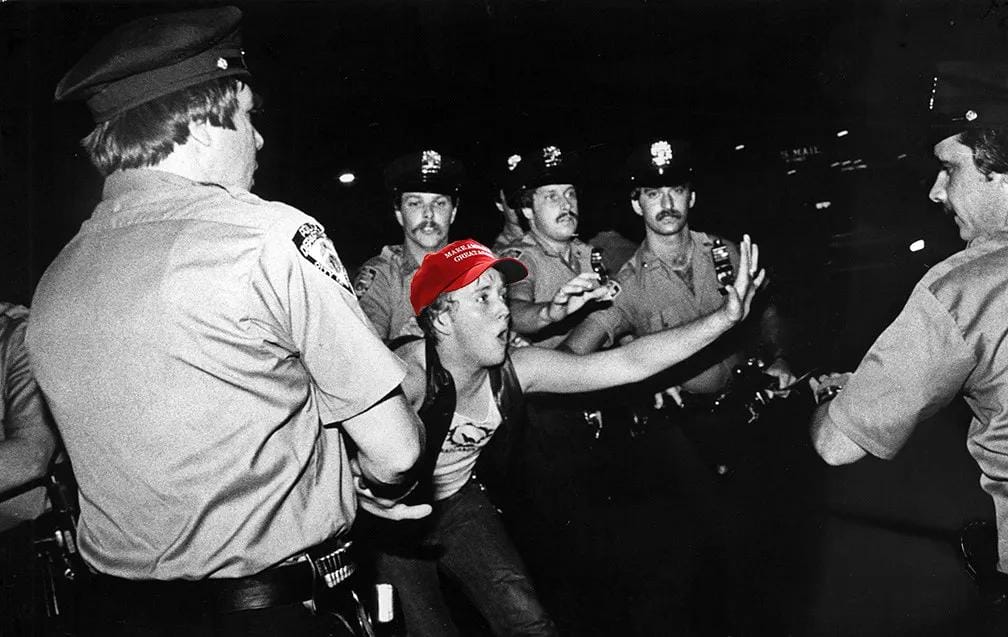
The shift in the LGBTQIA+ movement known as the “Stonewall Riots” was a series of events in 1969 between police and LGBTQ+ protestors which went over about six (6) days. The Stonewall Inn was a popular gay bar in New York City, and bars were one of the few places LGBTQIA+ individuals were able to gather in public which were consistently raided throughout the 1950s-70s. This was because homosexuality was considered a criminal offense at this time to which it took over a decade of organization before “same-sex relationships” were legalized in 1980. This event resulted in solidarity amongst different homosexual groups including the Gay Liberation Front and the Gay Activists Alliance.
References
-
Research guides: LGBTQIA+ studies: A resource guide: 1969: The stonewall uprising. 1969: The Stonewall Uprising - LGBTQIA+ Studies: A Resource Guide - Research Guides at Library of Congress. (n.d.). https://guides.loc.gov/lgbtq-studies/stonewall-era
-
A&E Television Networks. (2025, November 10). 1969 stonewall riots. History.com. https://www.history.com/articles/the-stonewall-riots
-
Logan, C. R. (n.d.). Homophobia?: No, Homoprejudice: Journal of homosexuality: Vol 31, no 3. https://www.tandfonline.com/doi/abs/10.1300/J082v31n03_03