
Introduction
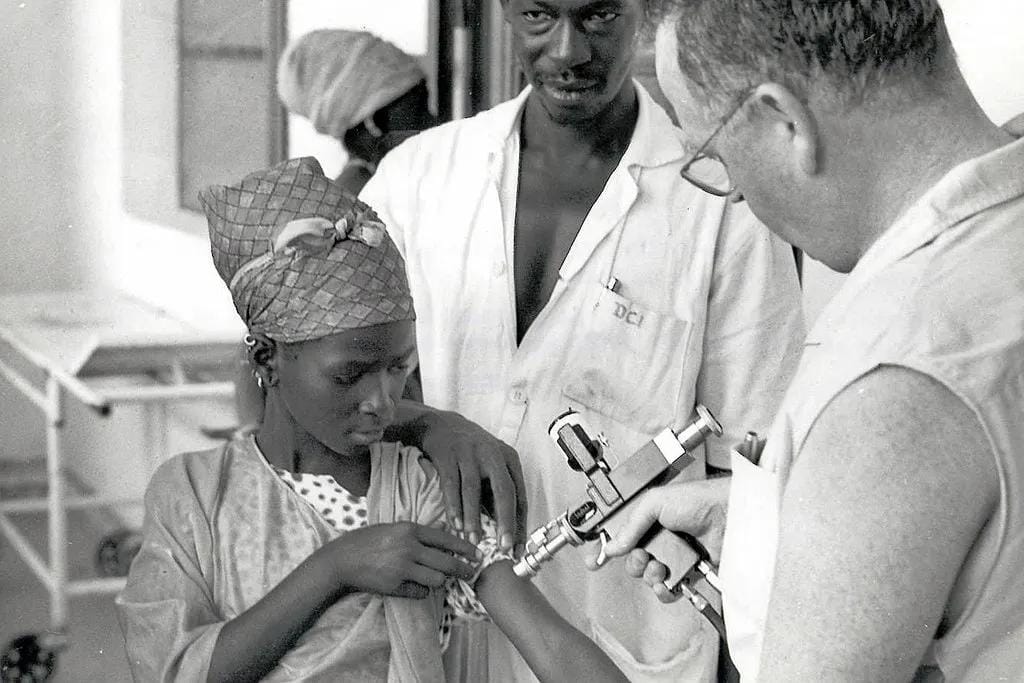
Health disparities and the quality of healthcare have significantly impacted people of color and other marginalized communities, especially the Black community. In order to tackle these disparities, society must comprehend the root of these injustices. For instance, one pathway for such disparities is due to the presence of institutional racism which produces outcomes that ultimately have a negative effect on people of color as a target or vulnerable population.
Importance
A study was conducted by Weinick, analyzing how racial and ethnic differences in access to and the use of health services between 1977 and 1996 show that the Black-White gap has shown no signs of narrowing over time. The CDC shared a statistic providing that Black women are three times more likely than white women to die from a pregnancy-related cause”. A hospital bill reform has been put into effect within 2022 with goals to increase health equity and affordability standardizing billing practices across hospitals to reducing medical debt which is a necessity within BIPOC communities.
Misconceptions and Conclusion
In addressing misconceptions about healthcare disparities, the experiments of Dr. Thomas Hamilton arose from an obsession with proving “physiological differences between Black and White people existed”. This experiment was done using John Brown, who was enslaved on a Georgia plantation in the 1820s-30s until his body became disfigured with scarring. In doing this, his attempts looked for the determination of how deep Black people’s skin went with the belief that theirs was thicker than White people’s skin. Doctors in the era of the South tried to use science to prove differences between Black people and White people went beyond culture insisting their bodies functioned differently from each other (i.e. Black people have large sex organs, small skulls connecting to “lack of intelligence”, higher tolerance for heat and immunity to some illnesses).
References
-
Bulatao, Rodolfo A. "Health Care." Understanding Racial and Ethnic Differences in Health in Late Life: A Research Agenda. January 01, 1970. https://www.ncbi.nlm.nih.gov/books/NBK24693/.
-
Hetlage, Rayna. "Black Women Deserve Better Health Care." Center for Health Progress. April 30, 2021. https://centerforhealthprogress.org/blog/black-women-deserve-better-health-care/?gclid=Cj0KCQiA15yNBhDTARIsAGnwe0VCYd-dUmG6eXcebkgBV7wQkstarnf88aC_YbgjlVcp71L6V1HX2FkaArSGEALw_wcB.
-
“Is Abortion Murder?” Middle Ground, Jubilee. November 28, 2021. https://youtu.be/wrQYHeodRio (21:19-21:34)
-
Villarosa, Linda. "How False Beliefs in Physical Racial Difference Still Live in Medicine Today." The New York Times. August 14, 2019. https://www.nytimes.com/interactive/2019/08/14/magazine/racial-differences-doctors.html
-
"Waiting for Health Equity: A Graphic Novel." Center for Health Progress. July 19, 2021. http://centerforhealthprogress.org/blog/publications/waiting-for-health-equity-a-graphic-novel/?gclid=Cj0KCQiAwqCOBhCdARIsAEPyW9kH2nww2LVMMjdwPXar-i80CZAYxqfSi9anqHObTuaQp59sUpwoCTcaAksFEALw_wcB.